Getting Wedding Inquiries but No Bookings? It's Your Process, Not Your Prices



If your calendar has more inquiries than bookings, the instinct is to look at your prices. Lower them. Adjust the packages. Add something extra. But pricing is rarely the problem. The vendors who consistently convert at the highest rates are not usually the cheapest in their market. They are the most systematic.
A survey of 500+ active wedding professionals by Sara Does SEO found that budget mismatches and ghosting are the top reasons leads don't convert, not response quality or pricing. The inquiry-to-booking gap is a process gap. The challenge is finding exactly where in your process leads are slipping away.
This guide identifies the five most common process failures that kill wedding inquiry conversion and walks through a concrete approach to fix each one. The goal: more bookings from the same number of inquiries you are already receiving.
How to Rebuild Your Inquiry-to-Booking Process
These five changes work as a connected system. Each one addresses a specific point where leads fall through. The first two have the highest individual impact; the last three compound the effect.
- Shorten your contact form to five fields or fewer. Most vendors overload their inquiry forms trying to qualify leads in advance. The result is the opposite of intended. According to Ava and the Bee, a contact form with three fields converts at 25%, five fields at 20%, and six or more fields at 15%. Every additional field is a friction point. Instead of asking twelve questions upfront, ask only the essentials: name, email, wedding date, and budget range. If you need more information before a consultation, gather it in a brief follow-up email. Smart, focused inquiry forms generate 42% more consultation bookings than generic contact pages, according to research cited by MeritsOnly.
- Respond within the first hour. Half of all couples book with the first vendor to respond to their inquiry, according to Roost Marketing. A vendor who responds within one hour is seven times more likely to book that lead than one who replies the next day, according to MeritsOnly. Beyond three days, most couples have moved on: Weddingbee community research shows three days is the absolute outer limit before couples begin contacting alternative vendors. This window is especially narrow for venue inquiries. As The Knot community has documented, couples touring multiple venues in a single weekend make decisions within hours, and a three-day proposal turnaround puts you in a conversation with someone already signed elsewhere.
- Write first responses that feel personal, not templated. Speed and personalization are not mutually exclusive. The most effective first responses use the couple's names and their specific wedding details: the venue they mentioned, the date, the guest count. They answer the actual question the couple asked rather than redirecting to a phone call. And they end with a single, clear next step: check availability, view a planning guide, or book a fifteen-minute introduction. Couples contact approximately four vendors per category before making a decision, according to MeritsOnly. The fastest and most professional responder wins more than 60% of the time. Professional does not mean formal. It means the couple feels seen and has a clear path forward.
- Follow up more than once. A single follow-up email is not a sequence. Couples in 2026 are more deliberate than in previous years. Gen Z, now 41% of the wedding market according to WeddingPro data, often requires ten or more touchpoints before reaching out to a vendor at all. Once an inquiry is received, a disciplined sequence across five to seven days is the standard for vendors converting at the highest rates. Pre-qualified inquiries, from leads who provided a realistic budget and confirmed date on the initial form, achieve a 30-45% consultation-to-booking rate, according to MeritsOnly. Unqualified leads from generic contact forms perform significantly lower. The combination of a qualified inquiry and a multi-touch follow-up sequence is where the largest conversion improvements happen.
- Deliver your proposal within 24 hours of the consultation. This is where the inquiry-to-booking chain most commonly breaks for vendors who handled everything else well. The momentum from a strong consultation is perishable. Couples who tour venues and meet vendors in a single weekend are making decisions in real time. A proposal that arrives three days after a consultation is competing with proposals already in the couple's inbox from vendors who moved faster. The goal is same-day or next-morning delivery, with the contract ready to sign when the couple is still warm from the meeting.
What the Best Vendors Do Differently
The vendors converting at the highest rates share one foundational habit: they make pricing visible before the inquiry form. According to WeddingPro, 78% of couples say pricing is the number one factor when deciding which vendors to contact. Vendors who display their rates upfront see a 25% increase in couple response rate, and those who complete their profiles with full pricing details average nearly 40% more bookings. When a couple knows roughly what to expect before they fill out a form, the inquiry they submit is genuinely interested rather than exploratory. Budget mismatches, the top reason leads don't convert per the Sara Does SEO survey, drop significantly when pricing is honest and visible from the start.
The second habit is systems over heroics. Booked-out vendors are not more responsive by nature. They have removed manual dependencies from their process. When a lead submits a form at 10pm during a peak weekend, their automation responds immediately, from their real email address, with a message that references what the couple actually wrote. They are not up at midnight drafting replies. The process runs while they are working with a current client, sleeping, or on location. Critically, 60% of couples increase their budgets at least once during the planning process, according to WeddingPro. The couple who opened with a lower budget and received no follow-up is often the same couple who signed a $12,000 contract elsewhere six weeks later.
How Wedy Pro Makes This Effortless
Wedy Pro, the J.P. Morgan-backed platform built by a luxury wedding planner, approaches inquiry conversion differently from what HoneyBook or Dubsado offer. The practical distinction comes down to how each platform responds when a lead submits a form.
HoneyBook's Essentials plan ($59/month) includes automation with conditional logic: a pre-selected email template fires when a lead submits a contact form. HoneyBook AI can draft a suggested reply based on what the couple wrote, but the vendor must review and manually send it. The same template goes to the couple asking about intimate micro-weddings and to the couple planning a 200-guest garden celebration.
Dubsado's Premier plan ($43.75/month equivalent) fires a pre-set sequence on form submission. Without conditional logic based on inquiry content, the same workflow runs for every inquiry unless the couple self-selects their service type from a dropdown. Neither platform reads the message the couple wrote and responds to what it actually says.
Wedy Pro's AI does. When a lead submits an inquiry through a vendor's embeddable lead form (which works exactly like HoneyBook's or Dubsado's, embedded on the vendor's own website), Wedy Pro's AI reads the message, identifies what the couple is asking about, and selects the most relevant email template from the vendor's library. A couple mentioning an intimate ceremony gets a response calibrated to that context. A couple referencing a specific venue or style gets a reply that acknowledges it. The email goes out immediately, from the vendor's own connected email address, never from a @wedy platform address. The couple sees no sign of the platform.
This is the difference between a conveyor belt and a thinking assistant. HoneyBook and Dubsado tell the system what to do in advance. Wedy Pro's AI reads what arrived and decides how to respond accordingly.
Vendors who join Wedy's booking marketplace through the Vendor Collective gain an additional lead channel that HoneyBook and Dubsado cannot replicate: direct bookings from couples who discovered their packages, chose them based on transparent pricing, and confirmed their dates through the platform. These bookings close at a 96.5% rate because the couple arrived intentionally. The inquiry-to-booking problem is largely solved before it begins.
Competitors require two products to accomplish what Wedy does in one. The Knot or WeddingWire for discovery, at $200 to $1,200 per month in competitive markets, plus HoneyBook or Dubsado for client management at $59 and above per month. Wedy Pro combines the booking marketplace and the full CRM at $25 per month for Pro or $35 per month for Elite. Wedy, which scaled nationwide after its Shark Tank appearance and Forbes and Inc features, enables vendors to build their entire inquiry process on one platform: earning from direct bookings and managing every client relationship from first message to final payment in one place.
Explore what Wedy Pro's AI-powered lead management can do for your conversion rate at wedypro.ai.
Frequently Asked Questions
Why am I getting wedding inquiries but no bookings?
The most common causes are process failures, not pricing. According to a survey of 500+ wedding professionals by Sara Does SEO, budget mismatches and ghosting are the top reasons leads don't convert. In most cases the process chain breaks at one of five points: a lead form that is too long and reduces submission quality, a response time longer than three days, a first reply that feels templated rather than personal, a single follow-up attempt when multiple touchpoints are needed, or a proposal delivered too slowly after a consultation.
What is a normal inquiry conversion rate for wedding vendors?
According to the Sara Does SEO Wedding Pro Survey of 500+ active professionals, the most common range is 21-40% of inquiries (28% of vendors) and 41-60% (21% of vendors). Only 12% of vendors convert 81-100% of inquiries. Lower conversion in 2025-26 is partly a market trend: couples are taking one to four weeks to decide and comparison-shopping more deliberately than in previous years.
How quickly should I respond to a wedding inquiry?
Within one hour for maximum conversion. MeritsOnly data shows vendors responding within one hour are seven times more likely to book the lead than those responding the next day. Roost Marketing data shows 50% of couples book with the first vendor to reply. The outer acceptable window is three days: Weddingbee community research confirms that beyond three days, couples begin contacting other vendors. For an instant acknowledgment when you cannot reply personally, a brief automated message setting expectations for a personal response within two hours preserves the relationship without losing the lead.
What should I include in my wedding vendor contact form?
Five fields or fewer. Ava and the Bee research shows that forms with three fields convert at 25%, five fields at 20%, and six or more at 15%. Essential fields are name, email, wedding date, and budget range. Service type is a useful fifth field for vendors offering multiple categories. Save all other questions for the follow-up email or consultation. A complete, qualified inquiry also saves 15-20 minutes per lead in back-and-forth email exchanges, according to MeritsOnly.
Does showing pricing on my website help convert inquiries to bookings?
Yes, significantly. WeddingPro research shows 78% of couples say pricing is the number one factor when deciding which vendors to contact. Vendors who display starting rates upfront see a 25% increase in the rate at which couples respond, and those with complete pricing on their profiles average nearly 40% more bookings. Transparent pricing also pre-qualifies your leads: couples who submit a form after seeing your rates are already comfortable with the investment, which reduces budget-mismatch ghosting.
How do I stop getting ghosted after consultations?
The most effective fix is proposal speed. As The Knot community research shows, couples touring vendors in a single weekend make decisions quickly: a proposal delivered three to four days after a consultation often arrives after the couple has already signed elsewhere. Same-day or next-morning delivery, with the contract ready to sign while the couple is most excited, is the standard for vendors who consistently close after consultations. A follow-up message 48 hours after sending the proposal also recovers many couples who simply got busy and forgot to respond.
What is the difference between AI-powered automation and rule-based workflow automation?
Rule-based automation (the model used by HoneyBook and Dubsado) triggers a pre-selected action when a specific event occurs: if a lead submits a form, send template X. The same template goes to every inquiry regardless of what the couple wrote. AI-powered automation reads the content of the inquiry, identifies what the couple is asking about, and selects the most relevant response from the vendor's template library automatically. Wedy Pro's AI does this: when a lead submits an inquiry, the AI analyzes intent, picks the best template, and sends it from the vendor's own email address without requiring manual review. It's the practical difference between a conveyor belt and a thinking assistant.
How can Wedy Pro help me convert more inquiries into bookings?
Wedy Pro combines three conversion tools in one platform. First, embeddable lead forms on your website with AI that reads each submission and selects the right response automatically, sending from your own email address. Second, automation workflows that follow up intelligently based on where the lead is in your process. Third, access to Wedy's booking marketplace, where couples discover vendor packages with transparent pricing and book directly, arriving as pre-qualified leads who already know your rates and chose you intentionally. These marketplace bookings close at 96.5%. The platform combines what vendors typically need two products to accomplish (a discovery channel and a CRM) at $25/month for Pro or $35/month for Elite.
More Articles


The 5-Star Booking Experience: From First Inquiry to Paid in One Flow
The Wedding Pro Who Wears 12 Hats: How AI Agents Give You Your Time Back

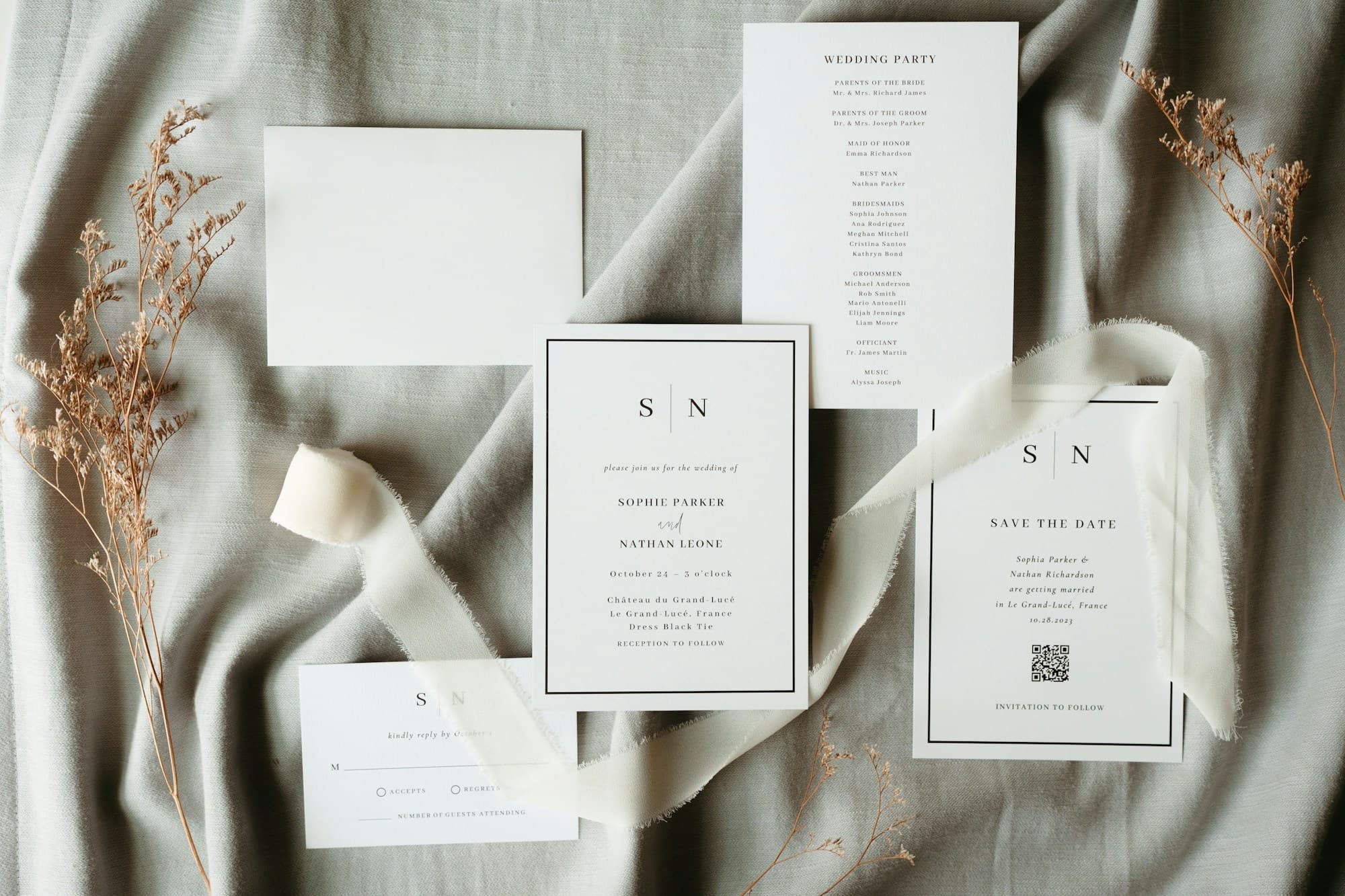
Stop Making Couples Create Accounts Just to Sign and Pay: The No-Login Document Guide for Wedding Vendors

FRICTIONLESS ONBOARDING
We Power The Wedding
Industry's Taste Makers
Focus on you. We'll handle routine, repetitive tasks and leave the rest untouched. The result: hours of your life, back in your hands.