5 Wedding Industry Trends Every Vendor Should Know for 2026



Five Wedding Industry Trends for 2026 That Will Shape Your Booking Calendar
A $100 billion industry doesn't transform quietly. Yet that's precisely what's happening across the U.S. wedding market as couple demographics shift, AI rewrites the rules of vendor discovery, and economic pressures reshape pricing from the ground up.
These are the five wedding industry trends 2026 data reveals, and every photographer, planner, florist, and venue should understand them, backed by the latest data from The Knot, Zola, and a 500+ vendor survey.
1. AI Goes Mainstream for Couples and Vendors
AI adoption among engaged couples nearly doubled to 36% in 2025 (up from 20% in 2024), according to The Knot's 2026 Real Weddings Study. Zola's research puts adoption even higher at 54%, a 150% year-over-year increase. Couples now use ChatGPT, Google AI Overviews, and Perplexity to compare vendors, draft emails, and build timelines. According to WeddingPro, agentic AI tools can evaluate multiple vendor options simultaneously, reshaping how couples discover and choose vendors before they ever open a traditional directory.
On the vendor side, over 50% of wedding professionals plan to improve their systems and automations in 2026, per a survey of 500+ vendors. While legacy CRMs like HoneyBook and Dubsado are adding AI features to existing platforms, Wedy Pro was built AI-native from the ground up. Its automation builder creates multi-step workflows triggered by lead form submissions, contract signings, or payment milestones, and Smart Documents use AI to draft proposals and contracts. The result: faster response times, polished client experiences, and hours reclaimed from admin work.
2. Gen Z Rewrites the Rules of Vendor Selection
Gen Z now represents 41-51% of the engaged couple market (The Knot: 41%; Zola: 51%) and they behave differently from Millennials. They hire wedding planners at half the rate (20% vs. 39%), per WeddingPro. Forty-three percent try to budget under $20,000. Fifty percent get inspiration from TikTok (up from 41% in 2025), yet TikTok generates only 4% of actual vendor leads. Google Search remains the top source at 64%.
Gen Z couples move fast and reward transparency. Fifty percent choose the vendor who replies first, per Roost Marketing. The Wedy ecosystem is built for this speed: the Wedy App marketplace displays transparent packages with real pricing so couples can browse and book directly, while Wedy Pro's embeddable lead forms and automations ensure every inquiry gets an instant, personalized response.
3. The K-Shaped Market: The Middle Is Disappearing
The wedding market is splitting sharply. WeddingPro reports a K-shaped divide: high-spending couples ($41,000+) prioritize guest experience with 141-guest averages and full-service venues, while budget-conscious couples (under $12,000) rely on DIY (44%) and friend officiants (67%). The middle market is functionally gone.
Economic pressures are accelerating the split. Eighty-three percent of vendors reported higher operational costs in 2025, and 77% responded by raising their rates, per Joy. Tariffs are expected to push budgets 10-15% higher in 2026-2027. For florists, 80% of cut flowers are imported, making them especially exposed (Axios).
Price transparency has become essential. WeddingPro data shows vendors who display rates upfront see a 25% increase in couple response rate and 40% more bookings. Wedy's marketplace was designed around this principle: vendors list packages with honest, transparent pricing and earn revenue through direct bookings with no listing fees. That's a meaningful contrast to The Knot and WeddingWire, which charge vendors $2,000 to $5,000+ per year for premium placements. In a K-shaped market, paying thousands for shared leads is increasingly difficult to justify.
4. Sustainability Shifts from Optional to Expected
Twenty-eight percent of Gen Z couples include eco-friendly options, and 22% choose locally sourced products, per The Knot. The lab-grown diamond revolution captures the pace of this shift: 61% of engagement rings in 2025 were lab-grown (239% growth since 2020), with 40% of couples choosing them specifically for sustainability.
Sixty-one percent of couples are using exclusively digital invitations, and 40% of brides now consider pre-owned or rented gowns, per eco-wedding trend reporting. The average U.S. wedding generates 56 metric tonnes of CO2, a figure entering couple consciousness. Wedy Pro's all-digital workflow (Smart Documents for contracts, invoices, and proposals; e-signatures; email sent from the vendor's own address) naturally aligns with sustainability-minded vendors without requiring a business overhaul.
5. Experience Over Spectacle: Multi-Day Celebrations and Intimacy
Couples are prioritizing depth of experience over breadth of guest list. Thirty-seven percent now host at least one additional event (welcome party, day-after brunch), and 18% opt for full two-to-three-day wedding weekends, per the Zola 2026 report. Meanwhile, 48% are considering micro-weddings (10-50 guests), and 89% believe intimate celebrations are "in," per the microWED Collective. The unifying thread: 69% of couples cite guest experience as their number one priority (WeddingPro).
Both formats expand revenue per couple. A photographer booking a three-day weekend captures significantly more value than one shooting a four-hour ceremony. Wedy Pro's project management handles this complexity with dedicated project stages, automated per-milestone communications, and document tracking across the entire client journey.
Positioning Your Business for What's Ahead
The vendors who will thrive in 2026 share a common pattern: they invest in systems that protect their time, showcase transparent pricing, and deliver a seamless client experience. Wedy, which scaled nationwide after its Shark Tank appearance and is backed by J.P. Morgan, was built by a luxury wedding planner who understood these challenges firsthand. Through the Wedy App marketplace, couples discover vendors and book directly with zero listing fees. Through Wedy Pro's CRM, vendors manage every relationship with AI-powered automations, digital contracts, and email sent from their own brand. It's the only platform combining demand generation with complete business management.
Explore what Wedy Pro can do for your business at wedypro.ai
Frequently Asked Questions
What are the biggest wedding industry trends for 2026?
The five defining trends are mainstream AI adoption by couples and vendors, Gen Z becoming the dominant couple demographic (41-51% of market), the K-shaped market split eliminating the middle, sustainability shifting from optional to expected, and the rise of experience-focused multi-day celebrations and micro-weddings.
How is Gen Z changing the wedding industry?
Gen Z hires planners at half the Millennial rate (20% vs. 39%), gets inspiration from TikTok (50% usage), budgets aggressively (43% under $20,000), and prioritizes vendor transparency, personality, and fast response over traditional relationship-building.
How are wedding vendors using AI in 2026?
Over 50% of vendors plan to improve automation and systems. AI-native platforms like Wedy Pro automate follow-up emails, generate proposals, and manage workflows across the client journey, while CRM tools like HoneyBook and Dubsado are adding AI features to their existing platforms.
What is the K-shaped wedding market?
The K-shaped market describes the disappearing middle: couples either invest $41,000+ in experience-focused celebrations or spend under $12,000 with heavy DIY. Vendors who display pricing upfront see a 25% increase in couple response rate and 40% more bookings.
What do sustainable weddings look like in 2026?
Twenty-eight percent of Gen Z couples include eco-friendly options, 61% use digital-only invitations, and 61% of engagement rings are lab-grown diamonds (up 239% since 2020). Vendors with all-digital workflows have a natural alignment advantage.
Are micro-weddings still trending in 2026?
Yes. Forty-eight percent of couples are considering micro-weddings, and 89% believe intimate weddings are "in." The segment is driven by cost sensitivity, intentionality, and the desire for deeply personalized celebrations.
More Articles

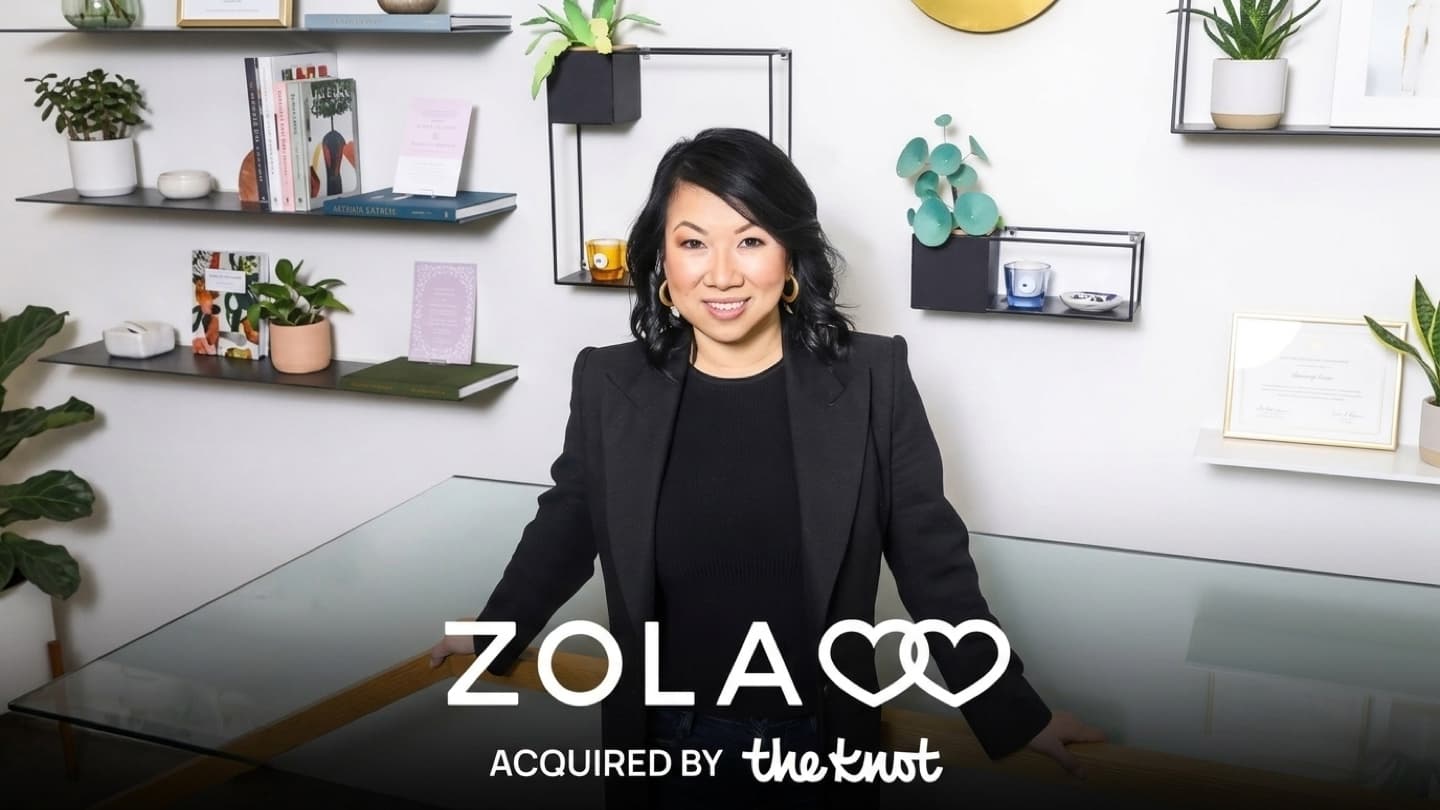
The Knot Agrees to Acquire Zola: What Wedding Vendors Should Do Now (2026)

How to Connect ChatGPT to Your Wedding CRM: Wedy's MCP Explained
What an AI Agent for Wedding Pros Actually Does (and How Wedy Pro Built One)


FRICTIONLESS ONBOARDING
We Power The Wedding
Industry's Taste Makers
Focus on you. We'll handle routine, repetitive tasks and leave the rest untouched. The result: hours of your life, back in your hands.