How to Send a Wedding Proposal That Gets Signed Fast


Why this matters for your event business
The gap between a booked calendar and an empty one is rarely about talent. It is about speed, presentation, and the systems behind your proposals.
Consider this: WeddingPro reports that 50% of couples book the first vendor who responds to their inquiry. Seven in ten couples say vendor responsiveness is the most important factor when choosing their wedding team. Yet 40% of couples report not hearing back from vendors within five days of reaching out.
That is an enormous opportunity gap. Every proposal that sits in your drafts folder for 48 hours is a booking that walks to a competitor who responded in four.
For the average wedding vendor earning $1,783 per client, each lost proposal is not just a missed booking. It is nearly $1,800 in revenue that could have been yours. With most vendors signing roughly 20 contracts per year, getting proposals signed faster directly translates to a stronger, more profitable business.
How to send a wedding proposal: a refined approach
Sending a proposal that converts is not about following a rigid template. It is about understanding what couples actually look at, when they look at it, and what moves them to sign. Here is the process the most successful wedding vendors follow.
- Respond within 24 hours of the inquiry. Research from Better Proposals confirms that proposals sent within 24 hours of a client meeting or inquiry convert at the highest rates. Proposify's data goes further: proposals sent within a day have close rates 50% higher than those delayed by a week. The takeaway is clear. Your proposal should be ready to send the same day a couple reaches out, or at the latest, the following morning.
- Personalize the opening for each couple. Generic proposals lose bookings. 66% of customers cite lack of personalization as a reason to switch to a competitor. Reference the couple's names, their wedding date, their venue, and details from your initial conversation. This is not just a courteous gesture. It signals that you listened and that their wedding matters to you personally.
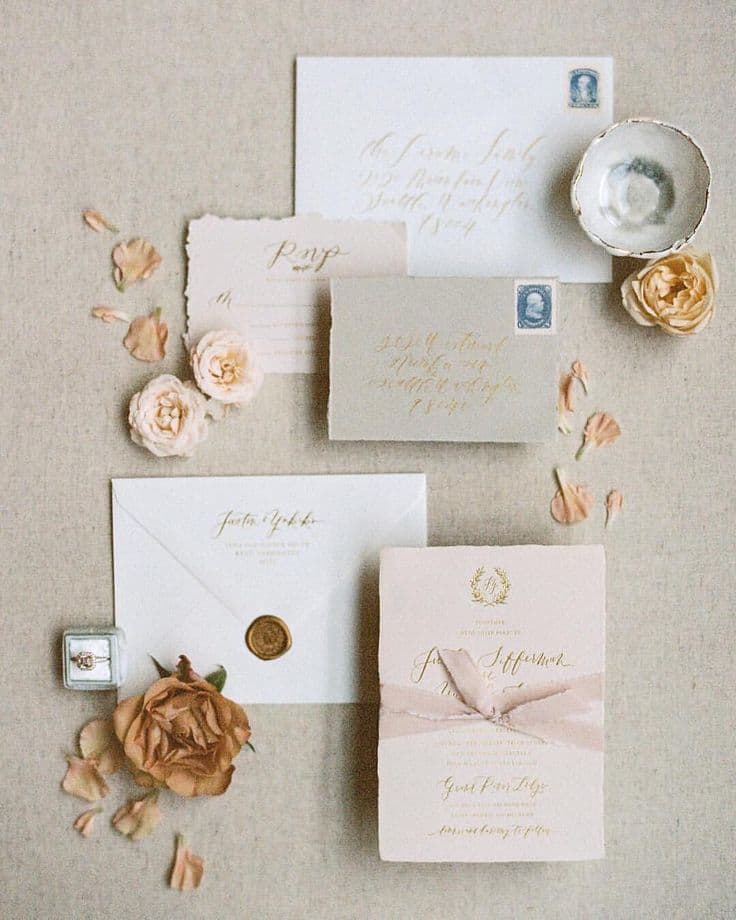
- Lead with your strongest visual material. 93% of buyers say visual graphics influence their purchasing decisions. PandaDoc reports that proposals with photos or videos are 32% more likely to close. Include 3-5 of your best images from similar events. For photographers, show your portfolio highlights. For florists, display arrangements that match the couple's aesthetic. For planners, feature behind-the-scenes shots of events you have orchestrated.
- Present pricing with total transparency. 78% of couples say pricing is the number one factor in deciding which vendors to contact, according to WeddingPro's vendor report. Vendors who display rates upfront see a 25% increase in response rates and nearly 40% more bookings. Your proposal should include a clear itemized breakdown: base package price, any add-on options with individual costs, and the total. No "starting at" language. No hidden fees revealed later. Couples who see the full picture make faster decisions because there is nothing left to question.
- Combine the proposal, contract, and deposit request into one document. Every additional step between "I love this proposal" and "I just signed and paid" is an opportunity for a couple to second-guess, get distracted, or forget. The most efficient approach bundles everything into a single flow: the proposal showcasing your services, followed by contract terms, followed by a deposit payment page. The couple reviews, signs, and pays in one session.
- Send from your own email address, not a generic platform domain. Trust is built in the details. When a couple receives a proposal from jessica@jessicaplanningco.com rather than noreply@platform.com, it feels personal and professional. 80% of couples use email to inquire about wedding services, and nearly 50% express frustration when vendors do not match their preferred communication channel. Your proposals should arrive the same way your conversations started.
- Optimize for mobile viewing. 70% of consumer emails are opened on mobile devices. PDF attachments require downloading, pinching, and zooming on a phone screen. Interactive, web-based proposals that render cleanly on any device remove that friction entirely. If a couple cannot comfortably review your pricing and sign your contract from their phone while sitting on the couch together, your proposal format is working against you.
- Follow up with a structured sequence. Sending the proposal is step one. Following up is what closes the deal. PandaDoc data shows that structured reminder sequences increase close rates by 30%. The Wedding Pro Survey 2025-26 found that 37% of couples take 8 days to 2 weeks to book after their initial inquiry, and another 24% book within 4 to 7 days. Your follow-up cadence should match this decision timeline: a friendly check-in the day after sending, a value-add touchpoint (like sharing a relevant blog post or testimonial) three days later, and a gentle reminder at the one-week mark.
What the best vendors do differently
The vendors who consistently convert inquiries into bookings at the highest rates share a few habits that set them apart from the rest of the industry.
They keep proposals concise and focused. PandaDoc's analysis found that the highest conversion rates come from proposals that are 6 to 8 pages in length. Better Proposals research confirms that clients spend almost all of their reading time on two sections: the introduction and the pricing. Only 33% of total reading time goes to everything else combined. Structure your proposal accordingly. A strong personal introduction, clear pricing, beautiful imagery, and contract terms. That is all you need.
They eliminate friction at the signing moment. The moment a couple finishes reading your proposal and thinks "yes" is the most valuable moment in your sales process. Anything that interrupts that momentum gives them time to hesitate. Some platforms require couples to create an account before they can even view a proposal, adding friction at the worst possible moment. The best vendors ensure signing and paying happens in the same flow as reading.
They treat proposals as a brand experience. Your proposal is often the first tangible preview of what working with you feels like. A beautifully designed document with consistent fonts, your brand colors, and curated imagery tells a couple that you pay attention to detail. A hastily assembled PDF tells them the opposite. As the Engaged Wedding Planner Academy notes, "a styled proposal reflects your brand and gives clients a glimpse into the experience of working with you."
They automate the repetitive parts without losing the personal touch. Templates for your standard package structures, pre-set payment schedules, and automated follow-up sequences free up time to personalize the parts that matter: the opening letter, the curated portfolio images, the specific details about the couple's vision. Automation handles the scaffolding so you can focus on the artistry.
How Wedy Pro makes this effortless
For wedding vendors who want to send polished proposals quickly without sacrificing quality, Wedy Pro was built to solve exactly this problem.
Smart Documents combine your proposal, contract, and deposit payment into a single, seamless flow. Instead of sending separate documents for each step, Wedy Pro lets you build multi-page Smart Documents that walk a couple through your services, present contract terms for e-signature, and collect a deposit payment, all in one session. No context switching. No separate platforms. The couple reviews, signs, and pays in minutes.
Every proposal is sent from your own email address. Unlike platforms that require clients to create accounts or send documents from generic platform domains, Wedy Pro delivers proposals directly from your connected email. When Jessica at Jessica Planning Co sends a proposal, it arrives from jessica@jessicaplanningco.com. That is how trust is built at scale.
AI-assisted document creation speeds up the process without removing your control. Wedy Pro's AI helps you build proposals faster by suggesting structures, formatting content, and setting up payment schedules based on your package details. You retain full creative control while eliminating the setup time that delays most vendors from responding quickly.
Templates save your best-performing proposal structures. Once you have built a proposal that converts well, save it as a template. The next time a similar inquiry comes in, you start from your proven framework and personalize the details. Your best work becomes repeatable, and your response time drops from hours to minutes.
Wedy's marketplace brings the couples directly to you. While HoneyBook and Dubsado help you manage clients, only Wedy connects both sides of the equation. Couples discover vendors through the Wedy App marketplace, browse real packages with transparent pricing, and submit booking requests. When a couple inquires through Wedy, you already have context about what they are looking for, making your proposal even more targeted. The J.P. Morgan-backed platform, which scaled nationwide after its Shark Tank appearance, was built by a luxury wedding planner who understood that the biggest challenge is not just managing clients. It is finding them in the first place.
Automations handle the follow-up so you never forget. Set up automation workflows that trigger after a proposal is sent: a reminder if the document has not been viewed within 48 hours, a gentle follow-up if it has been viewed but not signed, and a check-in at the one-week mark. Wedy Pro tracks whether your proposal has been viewed, is in progress, or has been completed, so your follow-up timing is always data-driven, never guesswork.
Frequently Asked Questions
How quickly should I send a proposal after a wedding inquiry?
Within 24 hours. Research shows that proposals sent within 24 hours have close rates 50% higher than those delayed by a week. WeddingPro reports that 50% of couples book the first vendor who responds. The sooner you send a polished proposal, the better your chances of booking.
What should a wedding vendor proposal include?
A strong wedding vendor proposal includes a personalized introduction referencing the couple's specific event, 3-5 portfolio images from similar weddings, a transparent itemized pricing breakdown, clear package details with any available add-ons, contract terms, and an easy way to sign and pay a deposit. PandaDoc data suggests the ideal length is 6 to 8 pages.
Should I combine my proposal, contract, and invoice into one document?
Yes. Combining all three into a single flow reduces friction and keeps the couple's momentum going from "I love this" to "I just signed." Each additional document or step you add is an opportunity for the couple to pause, get distracted, or second-guess. Wedy Pro's Smart Documents are built for exactly this: a multi-page flow where the couple reads the proposal, signs the contract, and pays the deposit without leaving the document.
Why do couples ghost after receiving a wedding proposal?
The two most common reasons are budget mismatch and lack of follow-up, according to the Wedding Pro Survey 2025-26. Transparent pricing in your proposal reduces the first problem. A structured follow-up sequence (check-in the next day, a touchpoint at day three, a reminder at one week) addresses the second. Data from PandaDoc shows that reminder sequences increase close rates by 30%.
Can I send a wedding proposal via email, or do I need special software?
You can send proposals via email, but the format matters enormously. 70% of emails are opened on mobile devices. PDF attachments require downloading and zooming on a phone, creating a poor experience. Interactive, web-based proposal tools like Wedy Pro's Smart Documents render beautifully on any device and let couples sign and pay without leaving the document. That frictionless experience is what converts.
How long should a wedding vendor proposal be?
Six to eight pages is the sweet spot for highest conversion, according to PandaDoc's analysis. Better Proposals research found that clients spend the majority of their time on just two sections: the introduction and the pricing. Keep your proposal focused on those elements, supported by strong visuals and clear next steps.
How many times should I follow up after sending a wedding proposal?
Three to four touchpoints over two weeks is the recommended cadence. The Wedding Pro Survey found that 37% of couples take 8 days to 2 weeks to book, and another 24% book within 4 to 7 days. Follow up the next day, again at day three with a value-add, and once more at the one-week mark. WeddingPro recommends keeping yourself visible in the couple's inbox for up to 30 days after their inquiry.
What is the difference between a wedding proposal and a contract?
A proposal presents your services, portfolio, and pricing to help a couple decide if you are the right fit. A contract formalizes the agreement with legal terms, cancellation policies, and signature fields. The most effective approach combines both into a single document: the proposal showcases the experience, and the contract follows immediately so the couple can sign while their enthusiasm is highest.
Ready to send proposals that get signed the same day? Explore Wedy Pro and see how Smart Documents, AI-assisted creation, and built-in automations help wedding vendors close more bookings with less effort.
More Articles

Wedding CRM Setup Too Complicated? Here's the AI That Finishes It For You

How to Switch From HoneyBook Without Losing Your Clients: A 2026 Migration Guide

AI for Wedding Photographers: The 2026 Workflow

FRICTIONLESS ONBOARDING
We Power The Wedding
Industry's Taste Makers
Focus on you. We'll handle routine, repetitive tasks and leave the rest untouched. The result: hours of your life, back in your hands.