
How Wedding Venues Can Fill Weekday and Off-Season Dates: A Revenue Diversification Playbook



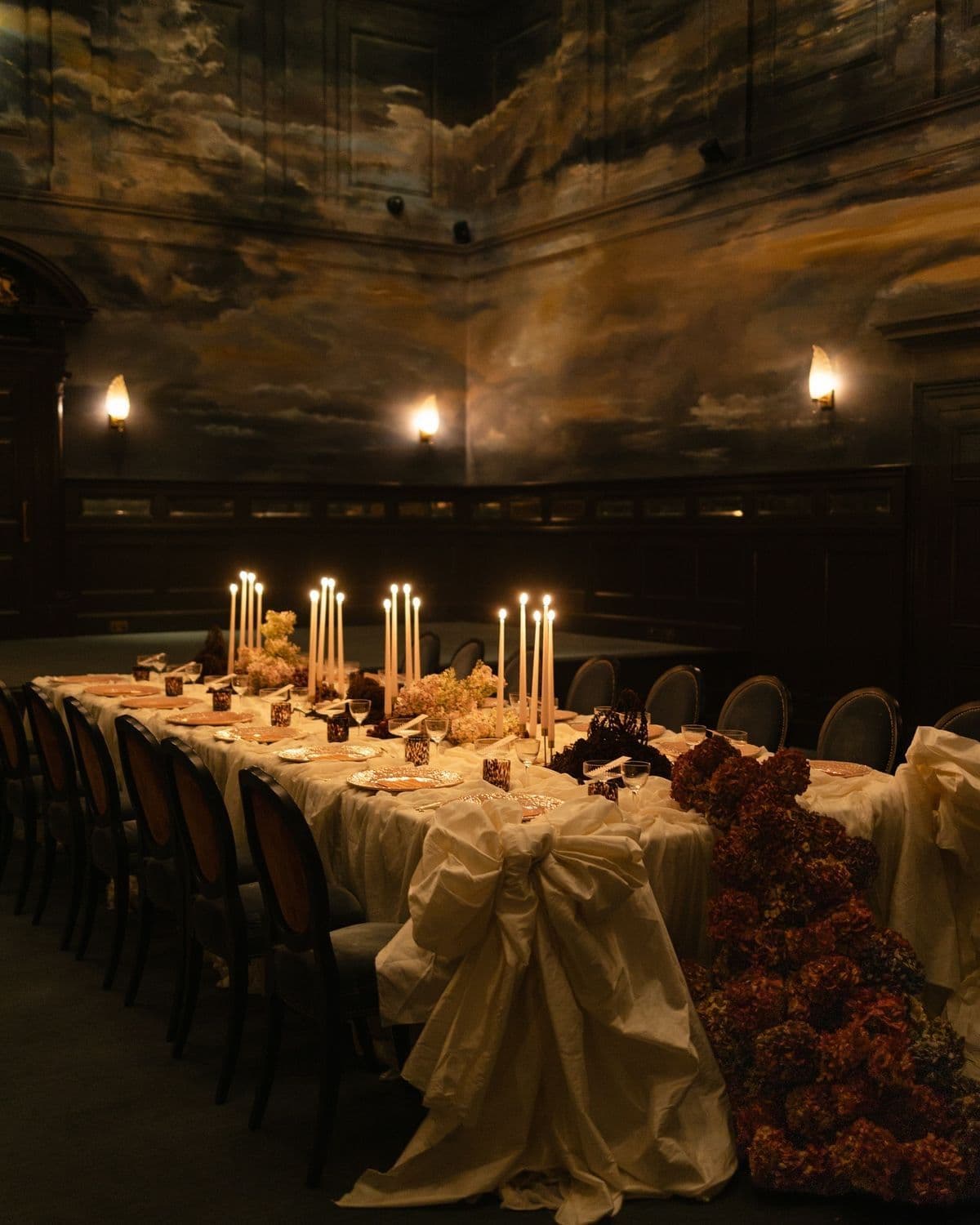
Only 23% of U.S. weddings take place between November and March, according to The Knot 2025 Real Weddings Study. For the venue that spent years building a beautiful space and a strong brand, that statistic translates into five months of underutilized capacity every year. October alone captures 17% of all weddings. January captures 2%. That is an 8-fold difference in demand with no corresponding difference in overhead costs.
The venues thriving in 2026 are not waiting for the market to even out. They are actively engineering year-round revenue through a combination of dynamic pricing, event diversification, and the kind of lead management infrastructure that converts off-season interest into booked dates. This playbook breaks down exactly how that works, with data from venues that have already made the shift.
The goal is not to turn every quiet Tuesday into a black-tie celebration. It is to build a business that generates consistent revenue across all 52 weeks, with the right mix of bookings filling your calendar rather than waiting for peak Saturdays to carry the entire year.
Understanding the Revenue Gap: When Your Venue Sits Empty
The seasonality problem in the wedding venue industry is structural. Spring (April, May) and fall (September, October) consistently account for the majority of weddings across most of the country. Approximately 40% of all U.S. weddings occur during those two fall months alone, while winter months see as few as 2% in January and February. Summer sits in the middle, strong but uneven depending on climate and geography.
The result for a typical venue: the calendar is oversold in peak months and nearly empty in the shoulder and off-peak periods. If you are running at 80% capacity from May through October and 15% capacity from November through March, your overall utilization rate is roughly 48% of potential revenue. That is a significant gap to close.
What financial health actually looks like for venues: Industry data shows average event venue profit margins of 10-20% for typical venues, with high-demand spaces achieving up to 60% margins. According to a detailed case study from Tripleseat, a venue running 20 weddings annually at $7,000 per event with a 20% margin generates approximately $28,000 in annual profit. That number changes substantially when you add even a handful of weekday and off-season bookings at well-structured price points.
Venue spending represents 24-40% of total wedding budgets, with average spend of $8,500-$14,300 per wedding nationally, according to MMCG Invest's 2026-2030 Wedding Venue Market Analysis. With approximately 2 million U.S. weddings annually, the market size is substantial. But capturing a proportional share of that revenue requires building the systems to serve couples who are open to non-traditional dates.
Dynamic Pricing: The Foundation of a Profitable Year-Round Calendar
The most effective tool for filling off-peak dates is not marketing harder. It is pricing smarter. Dynamic pricing aligns your rates with actual demand, making your premium dates feel appropriately exclusive and your off-peak dates feel like an exceptional value.
A proven model used by financially healthy venues, documented by Fully Booked Venue, structures pricing across three tiers:
- Peak (May-September Saturdays): Base rate +25%. These are your highest-demand dates. Premium pricing here raises your ceiling without reducing bookings, because couples in this segment expect to pay more for their first-choice Saturday.
- Shoulder (April, October): Base rate +10%. Desirable months with strong demand. A modest premium here captures the value of these dates without pricing out couples who could afford peak pricing if they wanted to.
- Off-Peak (Weekdays and January-March): Base rate -20%. This discount, positioned correctly, makes off-peak dates genuinely compelling rather than appearing to be leftover inventory.
The language matters as much as the numbers. "Save up to 40% with a winter celebration" communicates differently than "January availability." Couples choosing off-peak dates are making a deliberate decision for value and intimacy. Your pricing structure should validate that decision.
For weekday-specific pricing, a workable framework: Friday events at 80% of Saturday rates (with lower setup costs that protect your margins), weekday micro-events at their own flat-rate packages, and rehearsal dinner specials priced at $2,000 for 50 guests on Tuesdays through Thursdays. One venue documented by Fully Booked Venue built an elopement "I Do" package at $1,200 for Tuesday-through-Thursday 90-minute ceremonies that filled weekday gaps that would otherwise have generated zero revenue.
On the peak side, minimum spend policies sharpen your margins: 75-guest minimums on peak Saturdays or $7,500 food and beverage minimums raise profit margins 15-25%. These policies also push budget-conscious couples naturally toward off-peak dates, where you want them.
Event Diversification: Building a Year-Round Revenue Mix
The venues reporting the strongest financial performance have stopped thinking of themselves as wedding venues and started thinking of themselves as premium event spaces that specialize in weddings. The distinction is important. According to WeddingPro, venue owners across the country report an average of 50% of their revenue already comes from non-wedding events. Diversification is not a hedge against slow seasons. It is already how financially healthy venues operate.
Three event categories deserve particular attention for off-peak revenue:
Corporate events. Corporate bookings are the highest-margin diversification play available to wedding venues. Corporate events book mid-week, pay deposits faster, and often carry higher food and beverage minimums than social events. Adding corporate retreats, team off-sites, client dinners, and product launches can generate 15-25% in additional annual revenue, according to WeddingPro venue strategy data. Corporate planners need WiFi, basic AV setup, and breakout spaces, which most established wedding venues already have. The pitch is straightforward: a beautiful, fully-equipped event space with professional service, available Monday through Thursday at competitive rates. The U.S. corporate events market is valued at over $325 billion, with a global market expected to reach $600 billion by 2029, per industry research compiled by Tripleseat.
Social events. Birthday parties, bridal showers, baby showers, anniversary celebrations, graduation dinners, and retirement parties represent year-round demand with relatively low setup complexity. A detailed case study from Another Monday documented a boutique event space where social events represented 63% of total revenue, with per-person budgets of $30-$50 and consistent year-round bookings that filled weekday gaps. Friday events at this venue paid 80% of Saturday rates while requiring lower setup costs, making them disproportionately profitable.
Micro-weddings and elopements. This is the fastest-growing segment in the wedding market, and it maps directly onto the dates couples are most flexible about. Micro-weddings (50 or fewer guests) made up 18% of U.S. weddings in 2024, up from 10% in 2013, according to The Knot Worldwide 2025 Wedding Trends to Watch Report. Nearly 60% of currently engaged couples say they are considering a micro-wedding. Searches for "micro wedding" hit an all-time high on Google in 2025, with searches up 24.14% year-over-year, per Axios.
The micro-wedding economics work particularly well for venues on slow days: venue fees of $3,000-$5,000 versus $15,000-$20,000 for a full wedding, with higher per-guest spend ($400-$500 versus $250-$350 for traditional weddings). A Thursday micro-wedding at $4,000 that would otherwise be an empty building is pure incremental revenue. And notably, 73% of couples who chose micro-weddings spent more per guest than traditional weddings, making this segment more premium, not less.
Engagement photo packages are another low-effort, high-conversion product: one venue documented a $300 engagement photo package that converted 50% of bookings into full wedding contracts.
Capturing the January Surge: Your Most Underutilized Marketing Window
There is one month every year when newly engaged couples are searching for venues at maximum intensity, with no bookings yet made, high intent, and open calendars. That month is January.
According to Mills Jewelers, 47% of all U.S. proposals happen between Thanksgiving and Valentine's Day. December alone accounts for 21% of all annual proposals. The most popular proposal days are Christmas Day, Christmas Eve, New Year's Eve, New Year's Day, and Valentine's Day. Approximately 80% of couples begin planning their wedding within two months of getting engaged.
This creates a high-intent inquiry flood in January that most venues are poorly equipped to capture. The couples coming to you in January are booking weddings 12-18 months out. They are not looking for a January wedding. They are making the decisions that fill your May-October calendar for next year. But if they inquire during your slow season and you respond slowly, they have already toured three other venues by the time you follow up.
The venue marketing calendar should treat January as its single highest-priority acquisition month. "Just engaged? Our 2027 dates are filling now" messaging aimed at newly engaged couples is more effective in January than any other month. February's Valentine's Day proposals create another high-intent wave. December's engagement concentration means your Christmas and New Year's campaigns should carry a venue discovery message alongside the holiday content.
The operational implication: your lead response infrastructure needs to be at its best during January, not resting during what feels like a quiet season.
Themed Seasonal Packages: Reframing Off-Peak as Aspirational
Off-season bookings respond extremely well to packaging and positioning. One Colorado venue documented by Fully Booked Venue introduced a "Winter Wonderland" package priced 20% above standard winter rates, leaning into the aesthetic rather than discounting it. The result: off-season bookings increased by more than 50%. The key insight is that couples choosing January or February are often looking for something specific: snow, a cozy interior, seasonal decor, a celebration that feels intimate and distinctive. A venue that meets them with a thoughtfully curated package converts far more of them than one that simply offers a discounted room rental.
Effective seasonal package approaches include:
- Winter packages that lead with aesthetics (candlelight, seasonal florals, intimate menus) rather than discounts. Price these at or slightly above your base rate to avoid devaluing the experience.
- Brunch wedding packages for Friday and Sunday bookings, which appeal to couples who want something unconventional. Brunch weddings end by early afternoon, making them low-conflict with weekend logistics for guests.
- Elopement and micro-wedding packages with all-inclusive pricing for Tuesday-Thursday bookings, including basic decor, a certificate of celebration, and optional photography add-ons.
- Rehearsal dinner packages positioned for Thursday bookings from couples getting married elsewhere on Saturday, with your venue as the preferred partner for the rehearsal night.
Pinterest is a particularly effective channel for marketing these packages. Industry data from Fully Booked Venue shows Pinterest campaigns driving 10-15% of annual bookings for active venues, with lasting ROI from well-styled seasonal shoot pins that continue generating traffic long after the initial post.
Lead Management: Where Most Venue Revenue Is Lost
Here is the number that should reshape how venues think about off-season strategy: venues lose 60-70% of potential bookings due to inadequate follow-up systems, according to Delpriore Hospitality and Fully Booked Venue. Each lost inquiry represents $5,000-$15,000 in potential venue revenue.
Off-season leads are particularly vulnerable to this problem. Couples inquiring in January or February are at the start of a 3-6 month venue decision cycle. They are not ready to book on the day they first reach out. They are gathering information, taking tours, and comparing options. If your follow-up system cannot sustain engagement across that entire window, you are not competing effectively for these bookings even if you have the best venue in the market.
The data on what automation does to conversion rates is significant. A case study from Delpriore Hospitality documented these outcomes after implementing a venue CRM with automated response:
- Average response time: from 24+ hours to under 5 minutes
- Inquiry-to-tour conversion: from 15-20% to 45-60%
- Tour attendance rate: from 50-60% to 85-90% with automated reminders
- Tour-to-booking conversion: from 30-40% to 60-75%
The Marian House venue, documented in the same study, achieved 30+ tours monthly averaging 4-5 bookings monthly after implementing venue CRM automation. The Cameron Estate Inn booked 50+ tours converting to real bookings in two months.
The healthy inquiry-to-booking conversion rate for wedding venues is 30-40% as an industry standard; strong performers achieve 50-60%, per WeddingPro. Most venues operating without structured follow-up systems are well below the floor of that range.
Why Wedy Pro Is the Right Infrastructure for a Year-Round Venue Business
The challenge of filling off-season and weekday dates is ultimately an operations challenge as much as a marketing one. You can attract more inquiries through better pricing and seasonal packages. But converting those inquiries into bookings requires the kind of consistent, intelligent follow-up that is difficult to sustain manually when your team is also managing tours, contracts, and the administrative complexity of running an active event space.
This is where Wedy Pro's approach to lead management differs from conventional CRM tools. HoneyBook and Dubsado offer workflow automation: a lead submits a form, a pre-set template goes out. That works adequately for simple, single-touch lead flows. But venue inquiries rarely work that way. A couple inquiring in January for an October wedding has a very different intent and timeline than a couple inquiring in August for a December wedding. One needs an immediate tour and a year-long nurture sequence. The other needs a fast proposal and contract.
Wedy Pro's AI agents handle this distinction automatically. The AI reads the intent of each inquiry, selects the most appropriate response template from your library, personalizes the message, and follows up over the coming weeks and months without manual intervention. It is not an if/then workflow. It is a thinking assistant that understands context and acts accordingly. For a venue managing off-season leads across a 3-6 month decision cycle, this distinction is the difference between converting those leads and losing them to competitors with better follow-up infrastructure.
Beyond lead management, Wedy Pro handles the full client lifecycle: contracts and proposals through Smart Documents with e-sign and payment collection, calendar and scheduler for tour bookings, and automations triggered by stage changes in your pipeline. When an off-season inquiry progresses to a scheduled tour, Wedy Pro automatically sends the preparation email, reminder, and post-tour follow-up on your behalf, from your own email address, maintaining your brand throughout.
Wedy, which scaled nationwide after its Shark Tank appearance and is backed by J.P. Morgan, was built by a luxury wedding planner who understood these operational pressures firsthand. The platform is available at wedypro.ai for $25/month (Pro) or $35/month (Elite for teams). For venues managing diverse event types across an extended calendar, the efficiency gains compound quickly.
The Wedy marketplace also gives venues an additional discovery channel: couples browsing Wedy App (wedyapp.com) discover vendor packages with real pricing upfront, and can book directly. The 96.5% close rate on marketplace bookings is a function of that transparency: couples who see your pricing and choose to reach out are genuinely qualified. For off-season and weekday packages listed on the marketplace, this creates a passive discovery channel for couples who are specifically seeking the value of non-peak dates.
For venues managing both their marketing pipeline and client operations, Wedy effectively replaces two separate products: a booking marketplace where couples discover and book you, and a full CRM where you manage everything after the inquiry. That is the combination no other platform in the wedding industry offers. Most venues currently need The Knot or WeddingWire for discovery, and HoneyBook or Dubsado for client management. Wedy replaces both at a fraction of the combined cost.
Frequently Asked Questions
How much cheaper is a wedding venue for a weekday versus Saturday?
Weekday venue bookings typically offer savings of up to 40% compared to Saturday pricing. Friday and Sunday bookings generally save 10-20%. The exact discount depends on the venue's dynamic pricing structure, but a common model sets weekday rates at 20% below the base rate while peak Saturday rates carry a 25% premium, creating a spread of up to 45% between the cheapest and most expensive date options at the same venue.
What are the cheapest months to book a wedding venue?
January and February are consistently the least expensive months to book a wedding venue in most U.S. regions, with some venues offering discounts of 30-50% compared to peak season rates. November, December (excluding the last two weeks), and early March also offer off-peak pricing. Regional exceptions exist: the Southwest hosts peak weddings October through March when the rest of the country is in off-season, so the cheapest months are reversed in those markets.
What events can wedding venues host year-round to fill slow dates?
Wedding venues can fill off-peak dates with corporate retreats and team events (high-margin, mid-week bookings), social celebrations (birthdays, baby showers, anniversary parties, graduation dinners), micro-weddings and elopement packages, rehearsal dinners, engagement photo sessions, bridal showers, and styled shoots for photographers and florists. Venue owners report an average of 50% of revenue already comes from non-wedding events.
Is a micro-wedding cheaper at a wedding venue?
Yes, significantly. Micro-wedding venue fees typically range from $3,000 to $5,000 compared to $15,000 to $20,000 for a full traditional wedding at the same venue. However, micro-wedding couples spend more per guest ($400-$500 per person versus $250-$350 for traditional weddings), making them a premium segment. According to Axios (May 2025), micro-weddings cost 50% less than traditional weddings overall while maintaining or elevating the per-guest experience.
When is the best time to launch off-season promotions for a wedding venue?
The optimal time is mid-November through February, targeting the engagement season window when 47% of all U.S. proposals occur. January is the single most important acquisition month because it captures newly engaged couples from the holiday proposal surge (December accounts for 21% of all annual proposals) who are beginning venue searches with high intent and open calendars. Campaigns launched in early January, positioned around "just engaged" messaging and 2027 date availability, consistently outperform promotions launched later in the year.
How do wedding venues use automation to convert off-season inquiries?
Venues using automated lead management convert inquiries to tours at 45-60% versus 15-20% for venues relying on manual follow-up, according to Delpriore Hospitality. The key is responding within 5 minutes (versus the 24+ hour average) and sustaining follow-up through the 3-6 month venue decision cycle without requiring staff time for each touchpoint. Automated reminder sequences for scheduled tours improve attendance rates from 50-60% to 85-90%. For off-season leads specifically, sustained follow-up through a longer decision window is the primary conversion driver.
How do I price weekday elopement packages at my wedding venue?
A workable entry-level elopement package for Tuesday-Thursday bookings: $1,200-$2,000 for a 60-90 minute ceremony with basic decor and an optional photography add-on. This price point generates bookings that would otherwise be zero revenue dates while preserving your weekend and peak season pricing integrity. Position these as "intimate ceremony packages" or "I Do packages" rather than discounted weddings. The framing should lead with the exclusive experience (private venue, personal ceremony) rather than the price savings.
What should I look for in a CRM to manage off-season venue inquiries?
For venue lead management, prioritize: automated response within minutes (not hours) of inquiry submission, sustained follow-up sequences that operate across a 3-6 month decision cycle, tour booking and reminder automation, pipeline management by event type (weddings, corporate, social events), and document management for proposals and contracts. The specific difference to look for in 2026 is AI-driven lead response, which reads inquiry intent and selects appropriate templates rather than sending one generic reply to all leads. Venues that diversify into corporate events and social events also benefit from a CRM that handles multiple pipeline types simultaneously.
Building the Year-Round Venue Business
The venues filling their weekday and off-season dates in 2026 are not waiting for the market to change. They have identified three levers and pulled all of them simultaneously: dynamic pricing that makes off-peak dates genuinely compelling, event diversification that generates revenue from the segments that naturally book mid-week, and lead management infrastructure that converts interest into booked dates without requiring a dedicated sales team to stay on top of every inquiry.
The structural advantage of this approach compounds. A venue that converts 50-60% of its off-season inquiries into tours, and 60-75% of tours into bookings, is not just filling slow dates. It is building a more resilient business that is less exposed to the volatility of peak season demand and less dependent on Saturdays in October to carry the entire year.
The math is worth taking seriously. If your venue books 40 weddings per year at an average of $10,000, you are generating $400,000 in wedding revenue. Adding 15 weekday and off-season events at an average of $5,000 each adds $75,000. Adding 10 corporate events at $2,500 average adds $25,000 more. That is a 25% revenue increase from events that use dates currently generating nothing. The overhead difference is minimal. The revenue difference is substantial.
If you are ready to build the operational infrastructure to support a year-round calendar, Wedy Pro provides the CRM and AI agent tools to make that possible without adding administrative overhead. Visit wedypro.ai to see how the community of wedding professionals is building more sustainable event businesses through smarter systems and genuine AI-native automation.
More Articles


One Login Instead of Five: The App Stack Wedy Pro Replaces

Educate, Don't Negotiate: How to Talk About Pricing With Wedding Couples Whose Budget Was a Guess


Why Wedding Bookings Are Slow in 2026 (and the System That Still Converts)


FRICTIONLESS ONBOARDING
We Power The Wedding
Industry's Taste Makers
Focus on you. We'll handle routine, repetitive tasks and leave the rest untouched. The result: hours of your life, back in your hands.