
Wedding Vendor Instagram Strategy: How to Turn Followers Into $10K Bookings in 2026



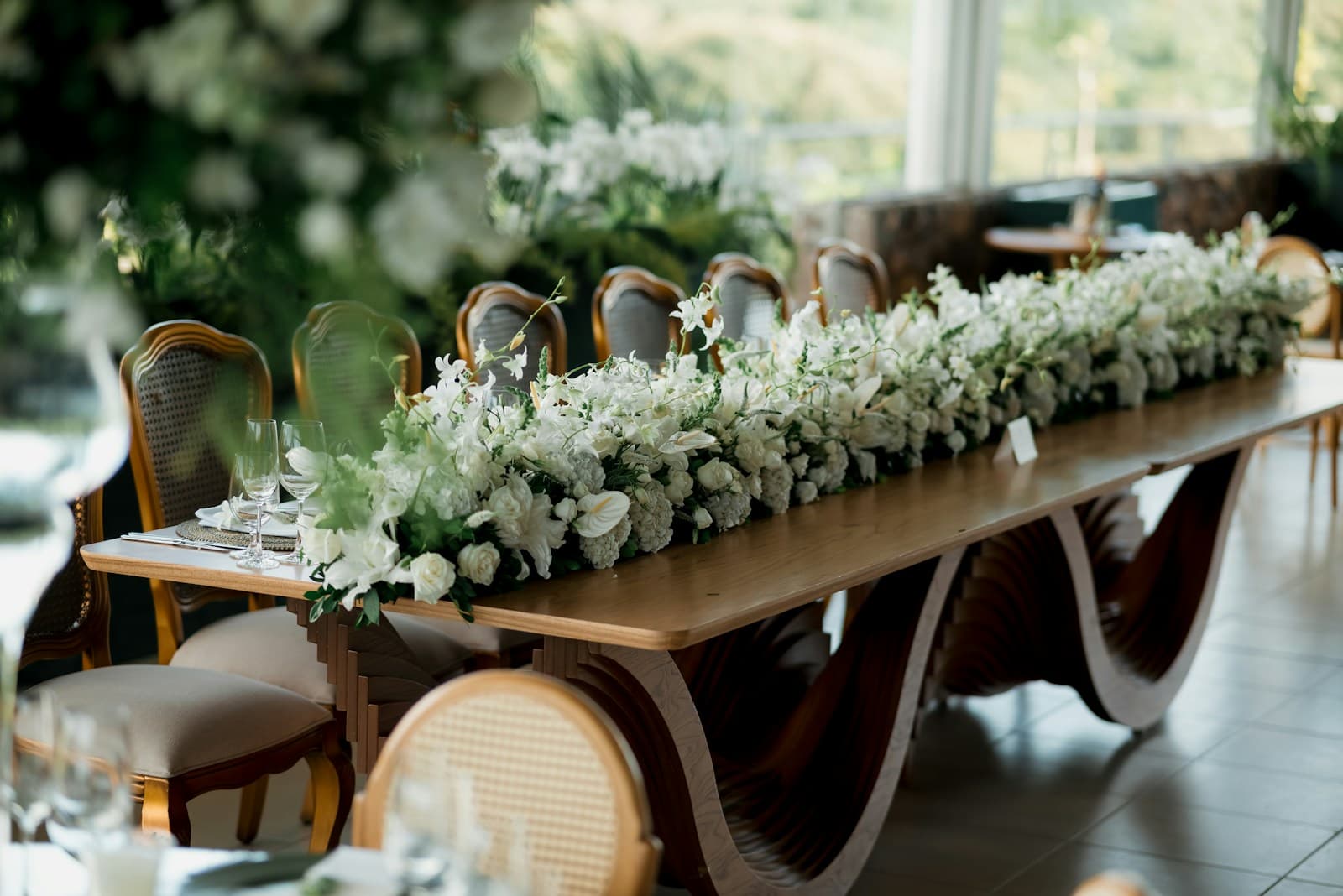
Why Instagram Is Still the Highest-ROI Channel for Wedding Vendors
The difference between a fully booked wedding photographer and one refreshing their inbox? Rarely talent. More often, systems: specifically, a deliberate strategy for turning a visual platform into a predictable revenue channel.
Instagram remains the top social media platform couples use to search for wedding venues, according to Wedding Venue Map data cited by Sara Does SEO. And 87% of couples say they have made wedding planning decisions based on social media content (Zola consumer survey). With Gen Z now representing 41% of the 2026 wedding market (The Knot 2026 Real Weddings Study), and 55% of Gen Z couples reporting they increased their budgets specifically because of something they saw online, the opportunity is not abstract. It is direct and measurable.
But most wedding vendors treat Instagram as a portfolio dump. Beautiful images, sporadic posting, zero conversion architecture. This guide covers what actually works in 2026: the content mix that the algorithm rewards, the profile setup that captures inquiries, and the back-end systems that close the bookings Instagram generates.
Why This Matters for Your Event Business
Wedding vendors operate in a visual industry where reputation and aesthetics drive purchasing decisions. But the nature of that discovery has shifted. Couples no longer browse vendor directories the way they once did. They scroll, save, and share. 72% of couples source ideas on visual-first social platforms (Instagram, TikTok, and Pinterest combined), and video content generates 74% higher engagement than static visuals for wedding vendors.
The stakes are high. The average wedding now costs $34,000, and each couple hires 13-14 vendors on average, according to The Knot 2026 Real Weddings Study. For a wedding photographer charging $4,200 per collection, a single $10,000 booking breakthrough is within reach of any vendor who builds a consistent Instagram strategy. The wedding brands doing this well are growing their Instagram audiences at 2.3% per month, nearly four times the 0.6% overall industry average (Dash Social analysis of nearly 100 wedding brands).
The vendors still relying on word-of-mouth alone are leaving that growth on the table.
How to Build a Wedding Vendor Instagram Strategy: A Refined Approach
This is not about posting more. It is about posting with architecture. Every piece of content should serve a distinct role in moving a potential client from discovery to inquiry to booked.
- Audit and optimize your profile for search and conversion. Instagram's search function treats the name field like a keyword field. If your name field reads only your personal name, you are invisible to couples searching for "NYC wedding photographer" or "Austin florist." Update it to include your role and market: "Maya | Wedding Photographer NYC" or "Bloom & Co | Wedding Florist Chicago." Your bio should follow a tight three-line structure: who you serve, where you operate, and a single call to action. The link in bio must route to an inquiry form, not your website homepage. A homepage is a browsing experience. An inquiry form is a conversion point. Wedy Pro's embeddable lead forms can be linked directly in your bio, capturing wedding date, guest count, and vision before a couple ever speaks with you.
- Build your content mix around the algorithm's actual ranking signals. Instagram's algorithm in 2026 ranks content based on three primary signals confirmed by Adam Mosseri: watch time, likes per reach, and DM shares. Shares are the most powerful signal for reaching new audiences, according to Hootsuite's 2026 algorithm guide. Instagram has also officially transitioned to "Views" as its primary metric across all formats. With this in mind, the content mix that performs is: 60-70% Reels for discovery reach, 20-30% carousels for saves and engagement depth, and roughly 10% static images for culture and personality posts. Daily Stories for community nurturing. This is not preference. This is the data: Reels perform 3x higher than static and carousel content specifically for wedding brand posts (Dash Social), while carousels dominate saves, which Instagram has confirmed it uses as a quality signal (EpicOwl). Both formats serve different algorithmic goals. You need both.
- Create content that earns shares, not just likes. A like is passive. A share means someone valued your content enough to send it to another person, and that person is often a newly engaged friend. Content that earns shares in the wedding industry includes: behind-the-scenes Reels showing your process (the florist building a 200-stem arch, the photographer guiding a nervous couple into their first portrait), educational content that solves a real couple problem ("3 things to discuss with your photographer before the wedding day"), and social proof carousels that walk through a full wedding gallery with real testimonials. Styled shoots alone rarely generate shares. Authenticity does.
- Set a posting cadence and protect it. The optimal cadence, based on Buffer's analysis of 9.6 million Instagram posts, is 3-5 feed posts per week with daily Stories. Best posting times: Thursday at 9 a.m. is the top performer, followed by Wednesday at 12 p.m. and 6 p.m. Evening hours from 6-11 p.m. on weekdays also show strong engagement. The keyword is cadence, not perfection. A photographer who posts consistently three times per week with intentional content will outperform one who posts daily for two weeks and disappears. Repurpose intelligently: one wedding day generates a full-gallery carousel, two or three short Reels, Story highlights, and a testimonial post. That is one event mapped to a week of content.
- Use Instagram Collab posts with your vendor network. Instagram Collab posts are among the most underused tools in the wedding vendor toolkit. Unlike a tag, a Collab post appears on both collaborators' profiles and shares the full reach of both follower bases. A photographer collabing with the florist, venue, and planner from a recent wedding puts that post in front of four audiences simultaneously. Tags do not share reach; Collab posts do (Inbeat, 2025). Build a vendor network of three to five trusted partners and commit to collabing on every notable event. This is one of the highest-leverage tactics available to vendors with modest follower counts.
- Build a DM conversion funnel, not just a broadcast channel. Couples who engage with your content are already warm. Stories with polls, Q&A stickers, and "Which would you choose?" prompts pull engaged followers into direct conversations. From a DM, collect the basics: wedding date, guest count, and venue. Then direct them to your inquiry form for the full submission. This flow, from content to Story engagement to DM conversation to inquiry form, is the architecture that turns a 10,000-follower account into a source of qualified leads. The final piece is response speed: 50% of couples book the first vendor who responds to their inquiry. Every hour that passes after a form submission is a booking risk.
- Use hashtags strategically, not as an afterthought. Hashtags with 10,000-500,000 posts provide the best balance of visibility versus competition saturation (Preview App, 2025). Mix broad tags (#WeddingPhotography), niche tags (#BeachWedding, #MicroweddingPhotographer), and location tags (#AustinWeddingPhotographer). Instagram has confirmed that hashtags placed in the main caption carry more algorithmic weight than hashtags placed in comments. Refresh your hashtag mix quarterly to align with the current season and trending wedding styles.
What the Best Wedding Vendors Do Differently on Instagram
The accounts that convert followers into high-value bookings share a few specific habits that most vendors skip.
They measure conversion signals, not vanity metrics. In 2026, the success metric that matters for wedding vendor Instagram is conversion to appointments, not follower count. Saves, DMs, and shares have replaced likes and follower acquisition as meaningful performance signals (Ivory Grey Project). A 5,000-follower account that generates 12 inquiry form submissions per month is outperforming a 50,000-follower account that generates two.
They treat Stories as a relationship channel, not a highlight reel. Daily Stories keep the profile circle active, signal consistent presence to the algorithm, and give couples a reason to check in. The vendors who book consistently are responding to every DM, engaging with couples' Stories, and using polls to create conversations. The Enji blog on Instagram marketing for wedding photographers recommends dedicating 10-15 minutes daily to DM and comment responses as non-negotiable practice.
They repurpose instead of recreating. One wedding generates content for 7-10 posts across formats: a full-gallery carousel, two or three 30-second Reels from different moments of the day, a client testimonial graphic, a behind-the-scenes Story series, and a vendor collab post. Aftershoot's 2026 social media guide for photographers frames this as a system: single shoot, multiple content outputs, consistent feed presence without constant new input.
They prioritize the profile as a landing page. High-converting Highlights are built around what a couple needs to make a decision: portfolio, testimonials, FAQs, and a pricing overview. The link in bio points to an inquiry form that asks for the wedding date and vision, not just a name and email. This pre-qualifies every inquiry before a conversation begins.
How Wedy Pro Makes This Effortless
The Instagram strategy described in this guide generates leads. The question is whether your back-end systems can close them.
Most vendors lose Instagram-driven leads not because the content failed but because follow-up did. The couple fills out the inquiry form, waits two days, and books someone else. 50% of couples book the first vendor who responds. The vendors using HoneyBook or Dubsado rely on pre-set automation: when a form is submitted, one template goes out. The response is the same regardless of whether the inquiry came from a couple planning an intimate 20-person ceremony or a 200-guest ballroom wedding.
Wedy Pro operates differently. Its AI-powered automations analyze the intent of each inquiry, select the most appropriate email template from the vendor's library, and respond intelligently. A couple mentioning a micro-wedding receives a different response than a couple referencing a 200-guest estate event. That is not if-then automation. That is an AI agent reading context and making decisions. The difference between a conveyor belt and a thinking assistant.
Beyond lead response, Wedy Pro's embeddable lead form connects directly to your Instagram link-in-bio. When a couple clicks through from your bio or a Story link sticker, the form captures their wedding date, guest count, and inquiry details. That submission automatically creates a new lead in the CRM pipeline and can trigger an automation immediately, without manual intervention.
Wedy Pro also offers what HoneyBook and Dubsado cannot: a booking marketplace. Through the Wedy App, couples who discover your profile on Instagram can see your packages, real pricing, and availability, then book directly. This is a lead channel that is independent of Instagram but complementary to it. Vendors on Wedy have reported a 96.5% close rate on marketplace bookings because couples arrive having already seen transparent pricing and chosen intentionally.
Wedy, which scaled nationwide after its Shark Tank appearance, was built by a luxury wedding planner who understood this problem from the inside. The J.P. Morgan-backed platform replaces two products most vendors currently pay for separately: a discovery platform (The Knot, WeddingWire) and a CRM (HoneyBook, Dubsado). At $25 per month for the Pro plan, that is a significant reduction in software cost alongside a meaningful increase in capability.
The vendors closing $10K+ bookings from Instagram are not necessarily the ones with the largest followings. They are the ones with a content system that creates discovery, a profile that captures intent, and back-end automation that responds before the opportunity cools. Wedy Pro is built to be the back-end of that system.
Frequently Asked Questions
What type of Instagram content gets wedding vendors the most bookings in 2026?
Reels are the strongest discovery format: 55% of Reel views come from non-followers, and they reach 36% more users than carousels, according to UseVisuals research. For wedding brands specifically, Reels perform 3x higher than static content (Dash Social analysis of nearly 100 wedding brands). However, carousels generate 12% more interactions on average and dominate the saves metric, which Instagram uses as a quality signal. The optimal mix is 60-70% Reels for reach and 20-30% carousels for engagement depth. Both formats serve different algorithmic goals, and high-converting accounts use both consistently.
How many times per week should wedding vendors post on Instagram?
Based on Buffer's analysis of 9.6 million Instagram posts, 3-5 feed posts per week is optimal for reach per post. Posting daily Stories maintains profile visibility and keeps your account active in followers' feeds. The best-performing posting times are Thursday at 9 a.m. and Wednesday at 12 p.m. and 6 p.m. Consistency matters more than volume: a vendor who posts three times per week every week will outperform one who posts daily for a month and then disappears.
Do I need a lot of Instagram followers to book weddings?
No. The accounts that convert consistently measure DMs, saves, and form submissions, not follower count. The Ivory Grey Project's 2026 bridal social media analysis found that conversion to appointments is the metric that matters, not follower acquisition. A 5,000-follower account with a clear inquiry form in the bio, active Story engagement, and an automated CRM follow-up will book more weddings than a 50,000-follower account with no conversion architecture.
What should a wedding vendor put in their Instagram bio to attract clients?
Your bio should follow this structure: your role and market in the name field (for search visibility), three lines in the bio covering who you serve, the locations you cover, and a single call to action, and a link to your inquiry form (not your website homepage). The name field is treated as a keyword by Instagram's search function. "Maya | Wedding Photographer NYC" will appear in searches for NYC wedding photographers. Your personal name alone will not.
How do Instagram Collab posts work for wedding vendors?
A Collab post is co-authored by two accounts and appears on both profiles, sharing the full reach of both follower bases. Unlike tagging another vendor, which does not share reach, a Collab post puts your content in front of your collaborator's entire audience. For wedding vendors who work together (photographer plus florist plus venue, for example), collabing on posts from shared events multiplies reach without additional content creation. Build a trusted vendor network and commit to collabing on every notable event.
How do I turn Instagram followers into actual wedding inquiries?
The conversion funnel flows: content discovery to Story engagement to DM conversation to inquiry form submission. Use polls and Q&A stickers in Stories to create two-way conversations with engaged followers. In DMs, collect the wedding date and basic vision, then direct them to your inquiry form for the full submission. The link in bio must route directly to that form. Once a couple submits, your CRM automation handles immediate follow-up. Response speed is the conversion bottleneck: 50% of couples book the first vendor who replies.
What are the best times to post on Instagram for wedding vendors?
Based on Buffer's analysis of 9.6 million posts, Thursday at 9 a.m. is the top-performing time slot. Wednesday at 12 p.m. and 6 p.m. are also strong. Evening hours from 6-11 p.m. on weekdays consistently show higher engagement than morning or midday posts. Friday and Saturday perform significantly lower. These benchmarks apply broadly; observe your own account's analytics for audience-specific patterns after three to four weeks of consistent posting.
Should wedding vendors use Instagram Stories daily?
Yes. Stories serve a different function than feed posts. They maintain your active profile circle (which signals ongoing relevance to the algorithm), create daily touchpoints with followers who are already warm, and provide the engagement surface (polls, Q&A, link stickers) that moves followers into DM conversations. Daily Stories do not need to be polished. Behind-the-scenes moments, day-of previews, and supplier sneak peeks all perform well and require minimal production time.
More Articles

Google Business Profile for Wedding Vendors: 2026 Playbook

How to Get Wedding Vendor Reviews on Autopilot (2026 System)

The Directory Trap: Why The Knot and WeddingWire Ads Convert Worse in 2026 (and What to Do Instead)

FRICTIONLESS ONBOARDING
We Power The Wedding
Industry's Taste Makers
Focus on you. We'll handle routine, repetitive tasks and leave the rest untouched. The result: hours of your life, back in your hands.